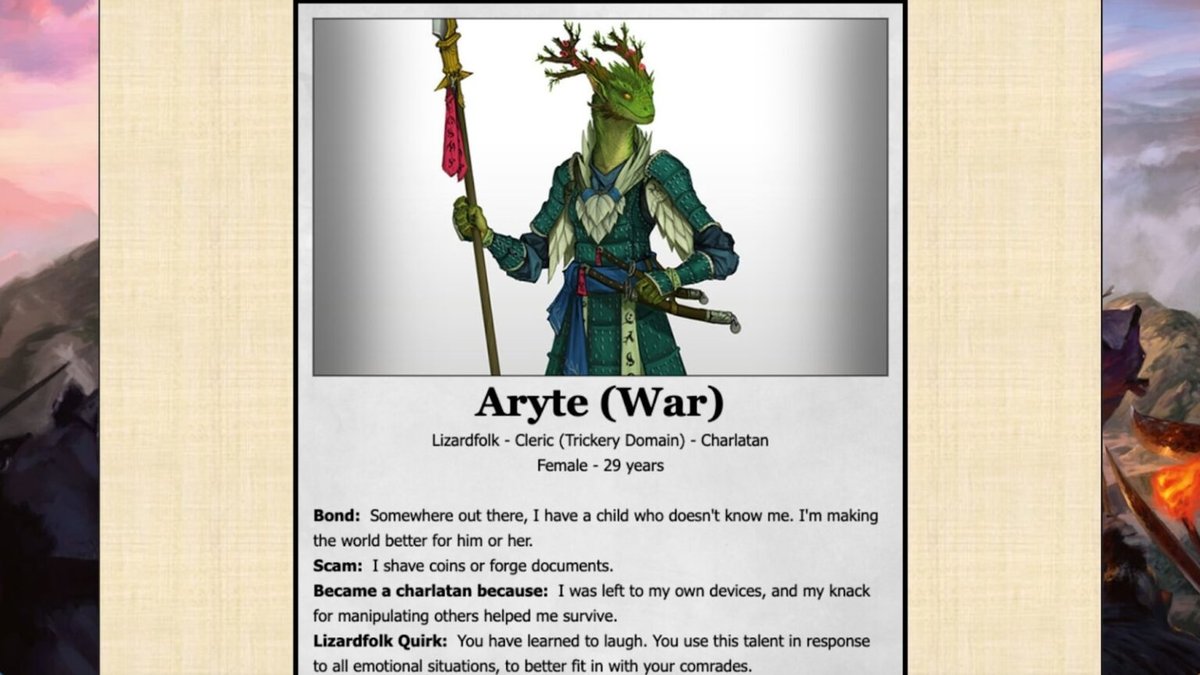
Creating a character for Dungeons & Dragons is often hailed as one of the game's most cherished rituals. It's that initial spark of imagination, the first step in building a hero (or villain!) who will embark on epic quests, face terrifying monsters, and forge unforgettable stories. But let's be honest, staring at a blank character sheet, especially for new players or those short on time, can feel less like a spark and more like a blank wall. That's where understanding how D&D character generators work can transform your game, offering a powerful assist in bringing your next adventurer to life.
These digital tools, particularly those powered by artificial intelligence, don't just fill in blanks; they can ignite your creativity, streamline the often-complex process of stat allocation, and even spin fascinating narrative hooks for your character's past.
At a Glance: What You'll Learn About D&D Character Generators
- Character generators save time by automating stat assignment and background generation.
- They provide a creative springboard, offering unique ideas you might not have considered.
- AI-powered tools ensure a consistent and deep profile, from personality to motivations.
- You still have full control to customize and refine every aspect of your generated character.
- They're valuable for both players seeking quick inspiration and DMs needing a cast of NPCs.
From Blank Canvas to Budding Hero: Why Generators Are a Game-Changer
Think back to your first D&D character. Chances are, you spent hours poring over rulebooks, agonizing over ability scores, picking spells, and trying to weave a compelling backstory out of thin air. It's a wonderful part of the hobby, but it's also a significant time investment. For busy adults, new players intimidated by the sheer volume of rules, or even seasoned veterans looking to jump right into a one-shot, that initial hurdle can be daunting.
This is precisely where modern D&D character generators shine. They tackle some of the biggest challenges head-on:
- Saving Time and Effort: Manually rolling stats, looking up racial bonuses, calculating proficiencies, and drafting even a basic backstory takes time. A generator compresses this into minutes, allowing you to focus on playing. You're effectively skipping the manual grunt work without sacrificing depth, making it easier to jump into a new campaign or explore different character concepts.
- Sparking Creativity and Inspiration: Sometimes, you just hit a wall. You want to play something new, but you're tired of your usual archetypes. A random D&D character generator can present combinations of race, class, and background you might never have considered, complete with personality traits and motivations that immediately suggest a compelling story. It's like having a creative co-pilot whispering unique ideas in your ear.
- Ensuring Consistency and Depth: Especially with AI-driven tools, generators can weave together a character's race, class, and background into a coherent whole. They can generate well-developed profiles that include consistent backstories, quirks, and motivations, providing a solid foundation that feels lived-in and ready for adventure from the get-go. No more struggling to explain why your stoic fighter suddenly has a penchant for dramatic monologues!
Behind the Screen: How D&D Character Generators Work Their Magic
At their core, D&D character generators—especially those leveraging AI—follow a structured process that mirrors traditional character creation, but with powerful automation. They take your initial preferences and, using vast datasets of D&D lore and rules, craft a unique character profile.
Let's break down the typical workflow:
Step 1: Laying the Foundation – Specifying Character Parameters
Before any digital dice are rolled, you provide the generator with some essential guidance. This is your chance to steer the creation process toward your vision or simply throw caution to the wind and see what unfolds.
You'll typically start by selecting core elements:
- Race: Do you envision a nimble Elf, a stalwart Dwarf, a versatile Human, or something more exotic like a Tiefling or Dragonborn? Your choice of race influences physical attributes, innate abilities, and often, cultural background.
- Class: What role will your hero play? A front-line Fighter, a spell-slinging Wizard, a stealthy Rogue, a divine Cleric, or perhaps a nature-attuned Druid? The class dictates primary skills, combat style, and available abilities.
- Alignment: Where does your character stand on the spectrum of morality and law? From Lawful Good (paladin-esque heroes) to Chaotic Evil (unpredictable villains), alignment influences a character's worldview and decision-making.
These initial choices are crucial. They act as the "seed" for the AI, guiding its generation process to ensure the character's attributes, skills, and even the nascent backstory are congruent with your vision. For instance, choosing a "Halfling Rogue" immediately signals to the generator to prioritize Dexterity, stealth skills, and perhaps a background involving shady dealings or a desire for adventure beyond their quiet homeland.
Step 2: The First Draft – Generating and Reviewing the Character
Once you've set your parameters, a simple click of the 'Generate' button sets the digital wheels in motion. What you receive back is a surprisingly comprehensive character sheet, often presented in an easy-to-read format.
This generated profile typically includes:
- Ability Scores: Strength, Dexterity, Constitution, Intelligence, Wisdom, and Charisma, often distributed using standard D&D methods (like 4d6 drop the lowest, or point buy systems), with racial bonuses already applied.
- Skills and Proficiencies: Based on class and background, the character will have a range of trained skills (e.g., Acrobatics, Persuasion, Arcana) and proficiencies with certain weapons, armor, and tools.
- Backstory: This is where AI truly shines. It synthesizes the chosen race, class, and alignment into a concise narrative. It might detail their childhood, a significant life event that led them to adventure, or their motivations for embarking on their current path. This backstory isn't just a block of text; it's often infused with personality traits, ideals, bonds, and flaws, giving you immediate hooks for roleplaying.
- Personality Traits, Ideals, Bonds, and Flaws: These crucial elements flesh out the character, making them feel real and providing clear guidelines for how they might react in various situations. A character might be fiercely loyal (Bond), believe in the power of justice (Ideal), always be quick with a joke (Trait), but also be terribly greedy (Flaw).
- Equipment and Starting Gold: Basic gear appropriate for their class, along with starting funds, are usually included.
At this stage, your job is to review. Read through the profile, paying close attention to the backstory and personality traits. Does anything immediately jump out at you? Does it spark new ideas? Treat it as a strong foundation, not a finished product.
Step 3: Making it Truly Yours – Customizing and Refining
This is arguably the most important step in the entire process: taking what the generator has provided and making it truly your character. No generator, however sophisticated, can perfectly capture the nuances of your unique vision without your input.
The best generators offer robust editing tools, allowing you to:
- Tweak Ability Scores: Maybe you want your wizard to be a bit more charismatic, or your fighter a tad more intelligent. You can usually adjust scores within reason, ensuring the character aligns with your specific concept.
- Modify the Backstory: This is your story! Expand on the generated narrative, add specific details, introduce key NPCs from their past, or completely rewrite parts that don't quite fit. Remember the advice: discuss your backstory with your Dungeon Master (DM) to ensure it integrates well into the campaign. You might even add "secrets" to your backstory that don't need to be immediately revealed, allowing for deeper immersion as the campaign unfolds.
- Refine Personality and Motivations: Swap out a flaw, strengthen an ideal, or add a specific quirk. Does your rogue have a soft spot for stray animals? Does your cleric secretly doubt their deity? These small details bring a character to life.
- Add Skills, Spells, or Features: While the generator provides a baseline, you might want to customize specific skills, choose different spells for a magic-user, or select unique class features.
- Customize Appearance and Name: Generators might offer a name or a general description, but you'll want to personalize their height, weight, hair color, eye color, distinctive features, and of course, a name that resonates with you.
Saving your customized character is the final step, ensuring your unique campaign hero is ready for adventure. This blend of automation and personal input is what makes these tools so powerful: they remove the friction of creation while preserving your creative control.
Beyond the Basics: Unlocking Deeper Potential with Generators
While the primary use of these tools is to create player characters, their utility extends far beyond just building your next hero.
- Populating Your World with NPCs: Dungeon Masters, rejoice! Need a barkeep for a dusty tavern, a shady contact in a bustling city, or a rival adventurer for your party to encounter? A random D&D character generator can whip up a fully fleshed-out non-player character (NPC) in moments. Their generated backstories, personality quirks, and motivations can provide instant plot hooks or enrich existing encounters.
- Inspiring Campaign Ideas: Sometimes a compelling character concept is all you need to kickstart an entire campaign. A generated character with a mysterious past or a unique flaw can serve as the central figure around which you build a narrative, offering a fresh perspective for your storytelling.
- Exploring Character Concepts: Ever wondered what a Lawful Evil Elven Bard might be like? Generators allow you to quickly experiment with unusual or challenging combinations of race, class, and alignment, helping you push the boundaries of your typical character choices without committing hours to the process.
- Learning the Rules: For newer players, seeing how a generator assigns stats, skills, and proficiencies can be an educational tool, illustrating the intricate web of D&D rules in a practical, hands-on way. It’s a great way to visually grasp how different choices interact.
Common Myths & Smart Uses: Making Generators Work for You
Despite their growing popularity, some players harbor misconceptions about using character generators. Let's tackle a few:
"Isn't it cheating, or losing the 'spirit' of D&D?"
Not at all. Think of a generator as a powerful assistant, not a replacement for your imagination. The 'spirit' of D&D lies in collaborative storytelling, creative problem-solving, and shared adventure. If a tool helps you get to that fun faster and with more inspiration, it's enhancing the experience, not detracting from it. The customization step ensures your personal touch remains paramount.
"Will my character be generic if it's AI-generated?"
Initially, a generated character might feel a bit generic, especially if you accept the first output without customization. However, the true magic happens in the refinement phase. Your unique edits, the specific nuances you add to the backstory, and how you choose to roleplay them at the table are what make any character, generated or not, truly distinct. The AI provides a robust framework; you provide the soul.
How to Use Generators Most Effectively:
- Start with a Loose Idea: Don't go in with zero concept. Even something vague like "I want a strong character who is good-hearted" can help you narrow down initial parameters.
- Embrace the Unexpected: Sometimes the generator will throw out a detail that seems odd at first. Lean into it! A Fighter with a secret passion for poetry, or a Wizard who grew up on a farm, can lead to incredibly rich roleplaying opportunities.
- Always Customize: Never treat the first generated output as final. Spend time reviewing, editing, and adding your unique flair. This is where your character truly comes alive.
- Talk to Your DM Early: As with any character, especially one with a detailed backstory, discuss it with your Dungeon Master. This ensures your character seamlessly integrates into the campaign world and avoids any lore clashes or missed opportunities for story hooks. Document all your character information using a physical or digital character sheet, and don't forget those secret backstory elements.
The Journey Continues: Your Next Steps in Character Creation
Now that you understand how D&D character generators work, you're equipped to leverage these powerful tools for your next adventure. Whether you're a player looking for a quick start or a DM needing a roster of memorable NPCs, generators offer a fantastic blend of efficiency and inspiration.
So go ahead, specify those parameters, click generate, and let a new hero emerge. The digital age has brought new ways to explore the ancient art of Dungeons & Dragons, making it more accessible and creatively stimulating than ever before. Your next epic tale is just a few clicks away.